Advantages of The Split-Type Vacuum Feeder
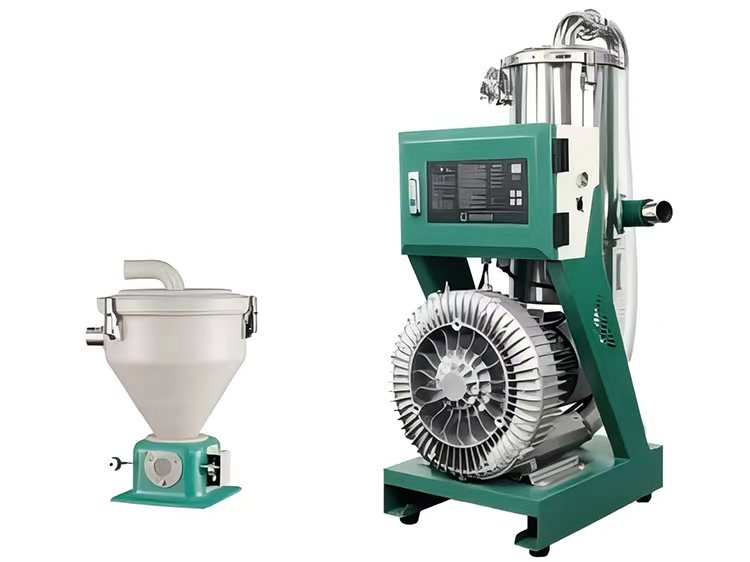
The Split-Type Vacuum Feeder is an innovative material conveying solution designed for efficiency, cleanliness, and flexibility. Featuring a unique split design that separates the motor from the hopper, it offers easy maintenance, low noise, and excellent safety performance. Ideal for industries such as plastics, food processing, and pharmaceuticals, this vacuum feeder ensures stable and contamination-free material transfer. Whether you’re handling powder, granules, or resin pellets, the Split-Type Vacuum Feeder from Audop delivers reliable performance, easy cleaning, and energy-saving operation — making it the perfect choice for modern automated production lines.
In modern material handling and automation systems, efficiency is everything. Whether you’re running a plastics plant, a food packaging line, or a pharmaceutical production workshop, the way materials move through your system directly impacts productivity and product quality. That’s where the Split-Type Vacuum Feeder comes into play — a compact yet powerful tool that simplifies material conveying while keeping operations smooth, clean, and efficient.
So, what makes this equipment so special? Let’s take a closer look at the main advantages that make the Split-Type Vacuum Feeder a favorite in industrial settings.
1. Easy Maintenance and Cleaning
The biggest difference between a traditional feeder and a split-type design lies in its structure. In a Split-Type Vacuum Feeder, the motor and the hopper are separated, which makes maintenance much easier. Operators can clean the hopper without disassembling the entire system or worrying about electrical components getting wet. This design also allows quick inspection and replacement of filters, ensuring the system stays in top condition with minimal downtime.
2. Reduced Noise and Vibration
Anyone who’s worked in a busy production facility knows how important noise control is. Because the motor and the material hopper are separated, vibration and noise from the motor don’t transfer to the material container. The result is a quieter and more stable working environment — a small change that makes a big difference in operator comfort and equipment lifespan.
3. Space-Saving and Flexible Installation
Another reason the Split-Type Vacuum Feeder is so widely used is its flexibility. The separated motor unit can be installed on a wall, a rack, or any convenient location, while the hopper sits directly on top of the material receiving device. This makes it ideal for workshops where space is limited, or where multiple machines need to share a single feeding source.
4. Energy Efficiency and Reliable Performance
Because the feeder uses an advanced vacuum generation system, it consumes less energy while delivering a powerful suction force. This ensures consistent material transfer even for lightweight or powdery materials. The improved design also minimizes material residue, which means less waste and a cleaner conveying process overall.
5. Versatile Applications
From plastic granules and resin pellets to powders and additives, the Split-Type Vacuum Feeder handles them all. It’s a perfect match for industries like plastics manufacturing, food processing, and pharmaceuticals—anywhere that requires clean, efficient, and automatic material feeding.
Conclusion
The Split-Type Vacuum Feeder is more than just a piece of equipment—it’s a smart solution for modern manufacturing. With its user-friendly design, low maintenance needs, quiet operation, and efficient performance, it helps factories boost productivity while maintaining a clean and organized workspace.
If you’re looking to upgrade your material conveying system, investing in a split-type vacuum feeder might just be one of the smartest moves you can make.